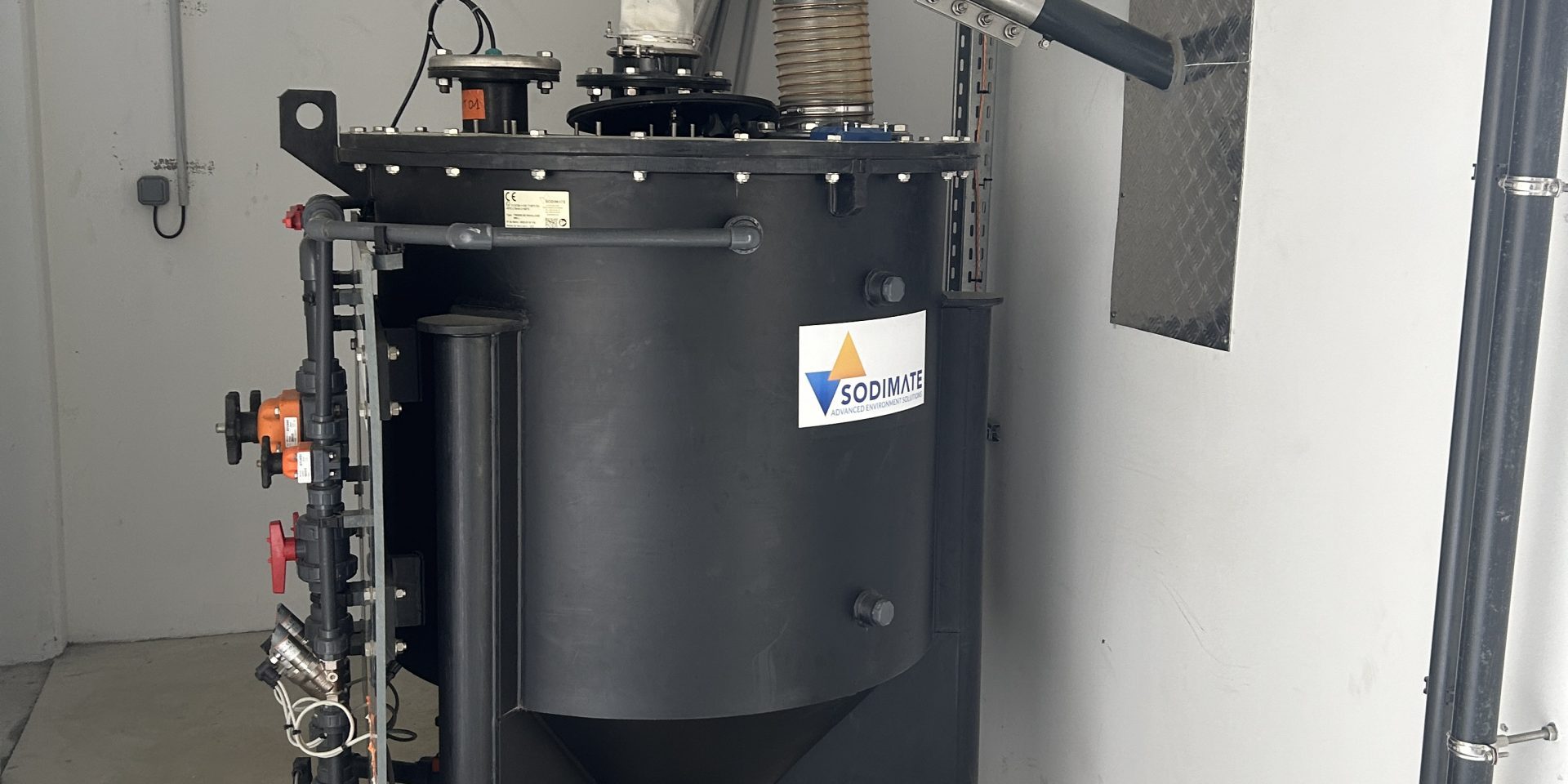
Sodimate Innovates with a Refining System to Eliminate Fines 
PFAS: Pollutants to Be Treated as a Priority
Per- and polyfluoroalkyl substances (PFAS) are a family of persistent organic compounds known for their chemical stability and resistance to degradation in the environment.
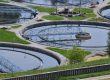
The growing demand to reduce PFAS concentrations in water is driving the search for increasingly efficient and reliable technologies.
Micro-grain activated carbon in a fluidized bed has proven to be one of these solutions. However, it remains essential to efficiently manage the “fines” (very fine particles) generated or present in the activated carbon to avoid clogging downstream equipment.
Persistent nature: PFAS, used in many industries (coatings, firefighting foams, textiles, etc.), degrade only very slowly in the environment.
Health risks: They can accumulate in the food chain and are associated with various health issues.
Therefore, reliable and sustainable treatment methods are required to reduce their concentration in water.
a
a
 a
a
a
Micro-Grain Activated Carbon in a Fluidized Bed
Principle and Advantages
-
Efficient adsorption: Activated carbon captures a wide range of organic pollutants, including PFAS.
-
Intensive mixing: In a fluidized bed, the micro-grains are suspended, ensuring optimal contact with the water to be treated.
-
Operational flexibility: Flow rate, carbon quantity, and contact time can be adjusted according to process needs.
Limitation: Presence of fines
The main operational challenge lies in managing fine carbon particles, which can clog downstream filters and increase maintenance costs.
a
a
a
Sodimate Develops an Innovative Refining System – the Sodimicrocarb
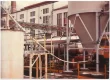
To prevent the release of fines into the circuit, Sodimate has developed a complete injection and dosing system that performs a refining stage before introducing activated carbon into the fluidized bed reactor:
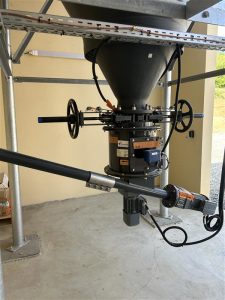
- Controlled feeding:
The micro-grain activated carbon is extracted from a storage silo or a big-bag discharge station.
A screw feeder precisely and consistently controls the carbon flow. - Sodimicrocarb — the core of the refining system:
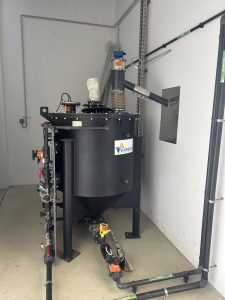
In this separation module, the activated carbon micro-grains undergo a “dedusting” treatment that removes residual fines before entering the reactor.
This process significantly reduces the risk of clogging sand filters or other downstream equipment. - Optimized injection:
The refined activated carbon is then conveyed to the fluidized bed reactor.The operator can adjust the injection rate according to the desired treatment performance.
Operational and Economic Benefits
-
Improved treatment quality: A fluidized bed free of fine particles promotes homogeneous and more efficient PFAS adsorption.
-
Reduced maintenance costs: The absence of fines prevents clogging of sand filters, minimizing backwashing frequency and production downtime.
-
Operational flexibility: The screw feeder and Sodimicrocarb module enable quick adaptation to fluctuations in pollutant load.
-
Proven performance: Several dozen installations are already in operation in France and Switzerland, confirming the system’s reliability
Outlook and Conclusion
Treating PFAS with micro-grain activated carbon in a fluidized bed currently represents one of the most suitable technologies for meeting increasingly stringent water quality standards.
Thanks to Sodimate’s expertise – particularly its refining system (Sodimicrocarb) designed to eliminate fines before introduction into the reactor, it is now possible to:
-
Maintain high and consistent adsorption performance.
-
Minimize operating and maintenance costs downstream.
-
Demonstrate the robustness of the solution across various sites in France and Switzerland.
This innovative solution provides better process control and represents a true asset for operators seeking to efficiently treat PFAS while protecting their equipment.