Treatment of PFAS with Micro-Grain Activated Carbon in a Fluidized Bed

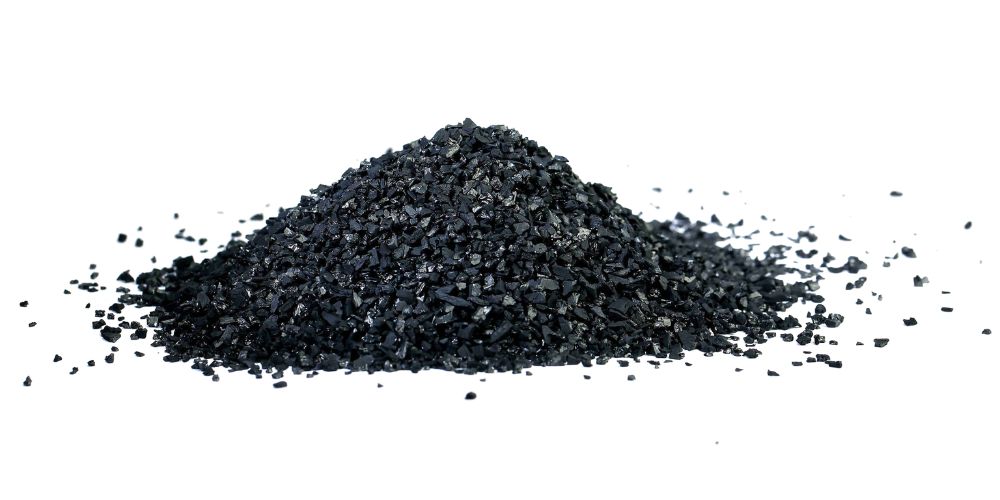
Sodimate Innovates with a Refining System to Eliminate Fines     PFAS: Pollutants to Be Treated as a Priority Per- and polyfluoroalkyl substances (PFAS) are a family of persistent organic compounds known for their chemical stability and resistance to degradation in the environment.The growing demand to reduce PFAS concentrations in water is driving the search…

Details

♻ Sodimate Quicklime Sludge Stabilization System in a Waste Management Plant – Pierce County LRI Landfill ♻

Context: Land Recovery, Inc. (LRI), operating within Pierce County, faced the critical need to implement a robust Quicklime Sludge Stabilization System as part of their expanded waste management capabilities. To meet this challenge, LRI entrusted Sodimate with the task of designing and sizing a comprehensive solution that would effectively handle sludge stabilization through the application…

Details

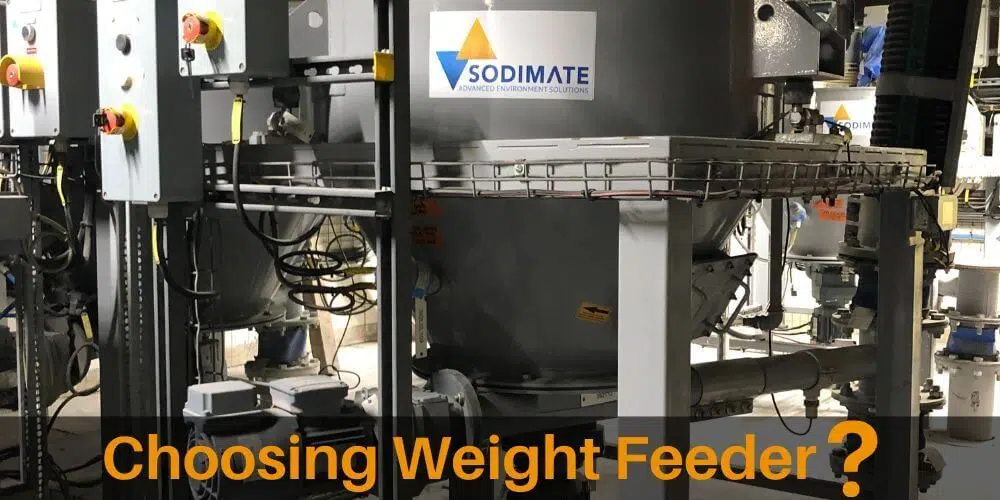
Choosing Loss-In-Weight Feeder : Factors To Consider

A weight feeder is an equipment used to feed material volumetrically while at the same time weighing it, and can be used for both granular and powdered solids. There are different types of weight feeders available for different purposes. The following are the main details you should know before selecting the right weight feeders. WHAT…

Details

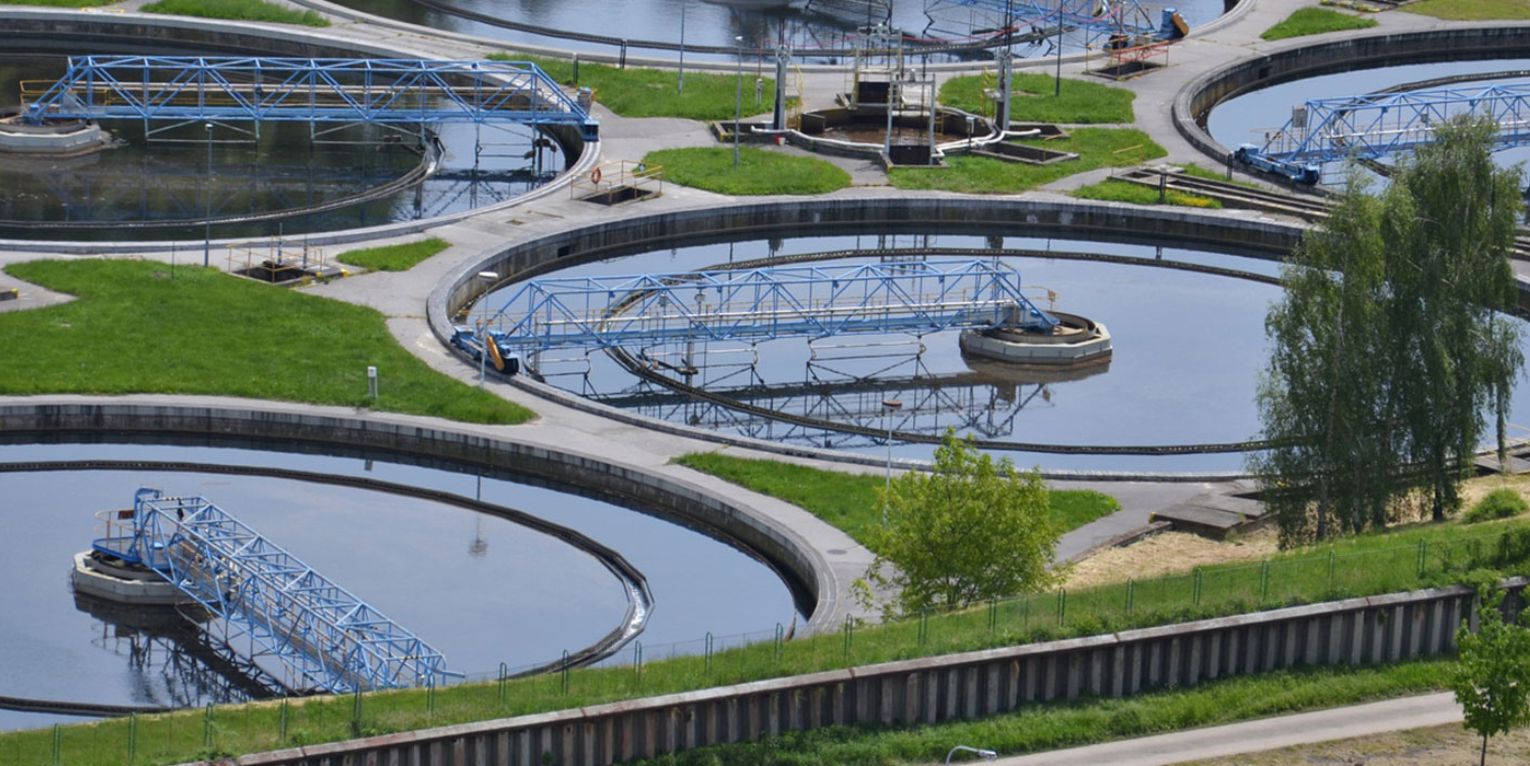
Importance of Sludge Stabilization in Wastewater Treatment

Wastewater treatment is the process by which wastewater is treated to make it usable in applications like industrial processes, irrigation, and even recreation. This helps maintain the environmental flow of water, with the by-products or sludge generating nutrients and energy. Sludge is the main by-product of wastewater treatment, and it’s typically a mix of trace…

Details

Bulk Handling Safety Tips and Best Practices

Bulk handling safety is a crucial part of the bulk material industry. This is because it helps ensure that processes are carried out safely and effectively. All people involved with the supervision of material handling processes must be aware of existing risks and be committed to taking the necessary safety measures. Without proper care, several…

Details

Role of Silica Sand in the Glass Manufacturing Industry

Glass has a wide range of applications throughout the world, but just how does it get manufactured? The process involves combining the main components, which are soda, limestone, and, of course, silica sand. The higher the quantity and chemical purity of silica in the sand for glassmaking, the better the quality of the glass produced, both…

Details

Pneumatic Conveying: Types, Benefits, and Applications

It’s important for industries to have an efficient method of handling different types of bulk powdered and granular products. This should be done at a reasonable cost and with minimal loss compared to other systems. This is where pneumatic conveying comes in. Read on to see more details of pneumatic conveying, including what it is…

Details

pH Control for Water Treatment

Controlling pH is essential for effective water production and wastewater treatment from an industrial perspective. This is because it dictates the processes to be followed and can affect the outcome in different ways. Here’s an outline of all you need to know about pH control for water treatment on an industrial scale.   What is…

Details

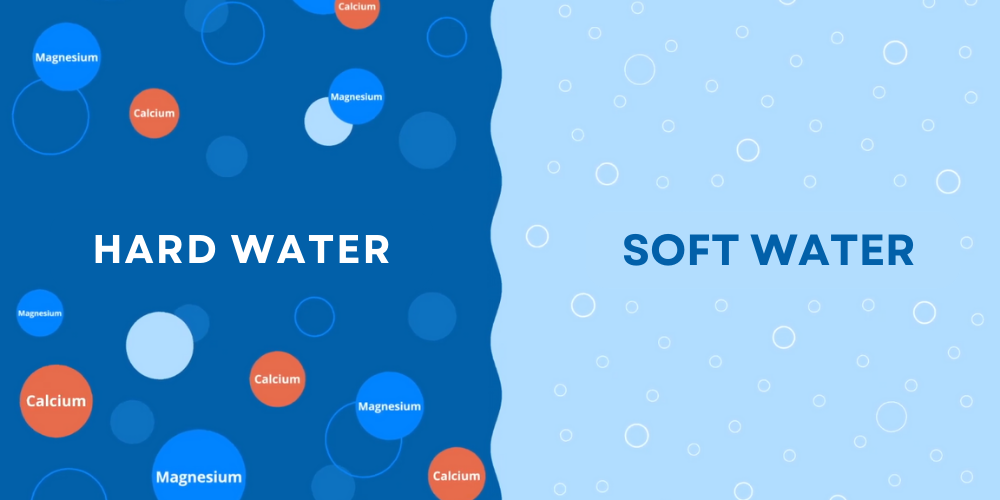
Hard Water vs. Soft Water: What’s the Difference?

Water can be classified as either hard or soft. In industrial use, it’s important to know the type of water that you are using so that you have a good idea of the processes to use for the best outcome. Read on to see the distinction between hard water and soft water, and why it…

Details

What is a Slurry Tank and How Does it Work?

Different industries need reliable storage solutions to hold a range of bulk materials that may come in dry form, liquid form, or even a mix of both solid and liquid. This is where slurry tanks come in, as they’re an amazing solution for handling the mix of both solid and liquid. In this article, we…

Details

Types And Advantages Of Pneumatic Conveyors

In industries having a Flue Gas treatment and Water treatment plants, bulk materials need to be transported safely, efficiently, and with less equipment as possible. This is done with the help of material handling equipment, of which a pneumatic conveyor can be the best solution, especially for long-distance. Read on to see an in-depth analysis…

Details

How To Avoid Product Breakage While Using Pneumatic Conveying System

A pneumatic conveying system is a core piece of a bulk material handling system. This system uses compressed air (or any other gas) to achieve great performance with difficult materials. It transfers powders, granules, and other dry bulk materials through an enclosed pipeline from one process area to another. The flow rate ranges from 0.5…

Details

What Is Drinking Water Treatment

Drinking water treatment is the process of turning river water into drinking water. Raw water can come from groundwater or surface water and is not always drinkable without treatment. What results into drinking water treatment? Many compounds must be removed before the water can be drunk. Indeed, raw water is cloudy and contains pollutants, pesticides,…

Details

What is Wastewater Treatment

Wastewater treatment is the process of converting wastewater or used water into water that can be discharged back into the environment safely. Industrial wastewater treatment covers the mechanisms and processes used to treat contaminated water. What results into wastewater? The main concern is the increase in synthetic compounds in wastewater as result of commercial activities…

Details

The Right Screw Feeder For Your Industry

Screw feeders come in different lengths, sizes, configurations, and are made from different materials depending on the nature of the product you want to handle. Selecting the right screw feeder for your industry is important for an efficient and safest process. WHAT IS SCREW FEEDER? A screw feeder is a piece of equipment that, as…

Details

What is Flue Gas Treatment ?

Flue gas treatment is the process of reducing the amount of pollutants that are emitted when fossil fuels, including wood, natural gas, oil, and coal are burnt at a power plant, an industrial facility, or any other place. These pollutants, if released freely, can affect the quality of air, both locally and regionally, quite substantially. Read on…

Details

The Pump Skid System

Pump skid systems or packaged pump skids generally consist of a pump and a driver mounted on a steel base. They’re often assembled by the manufacturers, but if a buyer wishes they can buy the components and assemble the system themselves. Read on to see more details of the pump skid system including its components,…

Details

Everything About Bulk Storage Silo

A bulk storage silo is a large structure that is used to store bulk material. There are different types of bulk storage silos you may choose based on your needs and the nature of the bulk material you want to store. Read on to find out everything you’ll need to know about bulk storage silos!…

Details

Screw Feeder 101

Screw feeders, designed to meter bulk material, are generally located at the beginning of the discharge process. Available at varying feed rates, sizes, materials, and configurations, your needs will dictate the specifics of the system you set up. Read on to see how they work, the different designs and types in existence, and the difference…

Details

Bulk Material Handling – 101

Bulk material handling is the engineering that surrounds the design of systems and equipment used to handle bulk materials which are often stored in heaps and may be granular, powdery, or lumpy. A few examples of these materials are woodchips, ores, gravel, chemicals, sand, minerals, sugar, and salt in loose and bulk form. A good…

Details

Screw Conveyors – Know it All

The screw conveyor is also called an industrial screw system or auger conveyor. It can be used for different industries. Let’s see in this, know it all about screw conveyors blog, what they are and where can they be used. What is a Screw Conveyor? A screw conveyor is a system designed to ease the…

Details

Pneumatic Conveying System and its Components

What is a Pneumatic Conveying System? A pneumatic conveying system is a setup that transfers dry bulk materials, including grains and powders, through an enclosed pipeline. Differential pressure and the flow of gas like nitrogen provides the necessary force for the transfer to occur. Materials that are most effectively conveyed must be dry and they…

Details

Industrial Silo Blockages

Industries handling various chemical products may experience blockages issues in their silos. It’s essential to understand the basic concepts involved in a problematic flow to choose the right discharging equipment.

Details

André Taupin, Transitube, and the Origins of Sodimate

In 1959 André Taupin invented and patented the flexible mechanical feeder as a solution to effeciently convey whole grain wheat and wheat flour. Taupin created many strategic industrial alliances in the following years to allow for mass adaptation of his technology. Some of these initial allegiances were with the companies of Lundell, John Deere, and Toprac.

Details

Environmental Solutions

Sodimate technology can help coal-fired and waste-to-energy plants meet stringent EPA regulations regarding flue gas emissions of acidic gases and heavy metal pollutants. Sodimate’s dry sorbent injection flue gas cleaning systems can be used with dry chemicals such as lime, trona, urea, powdered activated carbon (PAC), and soda ash.

Details